
Designing a CI/CD pipeline developers will not route around
A pipeline succeeds when it is fast enough to trust and strict enough to matter. Getting that balance wrong is why teams disable checks.
ZooBieDoo Infotech Engineering TeamRead
Most post-mortem processes produce documents nobody reads. A few practices make them produce actual change.
Assign roles explicitly: someone coordinates, someone communicates, someone investigates. Without that, everyone investigates and nobody tells stakeholders anything, which generates a second problem alongside the first.
Keep a timestamped log as you go. Reconstructing the sequence afterwards from memory is unreliable, and the log is the most valuable input to the review.
People make reasonable decisions given the information and pressure they have. If a person could cause an outage by making one mistake, the system permitted it, and the system is what to change.
Blameless does not mean uncritical. It means asking why the system allowed the failure rather than who should have prevented it.
The measure of a post-mortem process is not how well the documents read but whether incidents stop recurring. Tag incidents by cause and review the pattern each quarter.
Repeated causes indicate that actions are not being completed, or that they addressed a symptom. Both are worth knowing, and neither is visible from individual reviews.
Report the trend to leadership alongside delivery metrics. Reliability improvement competes for capacity like anything else, and it needs evidence to compete successfully.
Anything with customer impact, anything that took unexpectedly long to resolve, and any near miss that could have been serious. Near misses are the cheapest learning available.
Within a few days, while memory is fresh but after people have rested. Immediately afterwards, the team is tired and the analysis suffers.
Everyone involved, plus someone independent to ask the obvious questions. Keep it small enough for genuine discussion.
Keep reading
A pipeline succeeds when it is fast enough to trust and strict enough to matter. Getting that balance wrong is why teams disable checks.
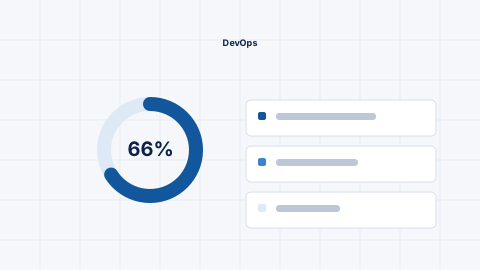
Four measures describe delivery performance well. They are useful for finding constraints and harmful when used to compare teams.
Credentials in repositories remain one of the most common causes of breach, and it is one of the most preventable.