
Native or cross-platform: deciding on evidence rather than preference
Both approaches build excellent products. The decision follows device capability requirements, team composition and roadmap shape.
ZooBieDoo Infotech Engineering TeamRead
Topic
Every article we have published on mobile.

Both approaches build excellent products. The decision follows device capability requirements, team composition and roadmap shape.

Users judge an app in the first few seconds. Startup time, scroll smoothness and battery drain are what they actually notice.

Store listings are a search and conversion problem. Most of the available improvement is in the first screenful.

Anything shipped to a device can be inspected and modified. Security has to live on the server, with the client hardened rather than trusted.
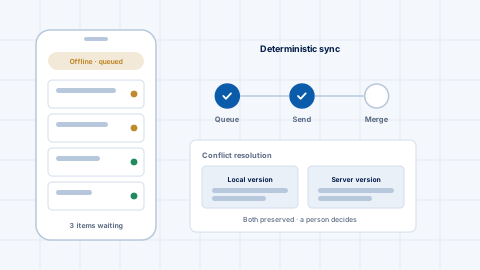
Teams treat connectivity as an implementation detail and then discover the product does not work where it is used. The decision belongs earlier, and higher up.

Intermittent connectivity is harder to handle than no connectivity. Sync design decides whether the app is trusted in the field.

Both platforms provide strong accessibility APIs. Most failures come from custom controls and missing labels rather than from platform limitations.

Unlike the web, you cannot instantly fix a mobile release. Staged rollout and remote configuration are how you limit that exposure.
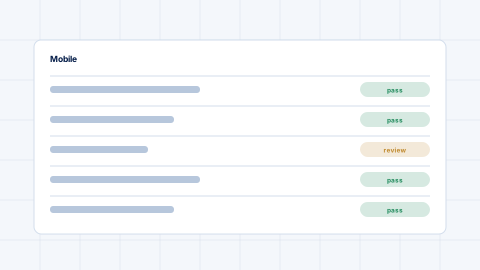
Most apps collect far more events than anyone uses. A small, well-defined set answers more questions than an exhaustive one.
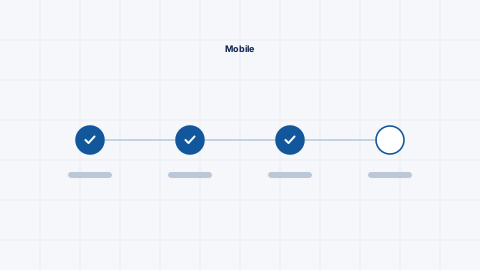
Launch is the beginning of the cost, not the end. Operating system releases, store policy and dependency churn all arrive whether or not you are changing the product.